

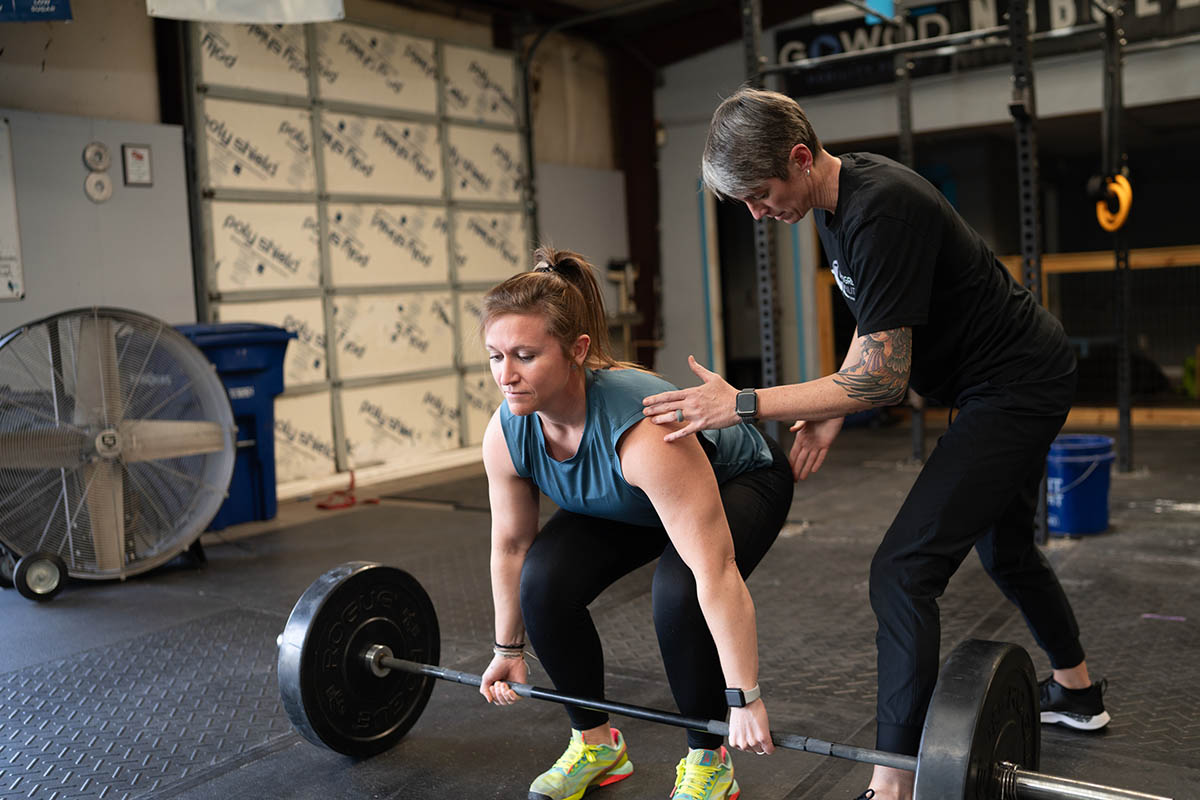
If you’re doing everything “right” and still feel stuck, exhausted, or injury-prone, the real issue might not be your workload. It might be what’s on your plate.
The human body is made to move. So when you’re injured, recovering from surgery, or dealing with a chronic condition, we know how frustrating that can feel. You could stay in pain, rely on medication that only masks the problem, or strap on a brace and hope for the best. But none of that actually solves what’s going on underneath.
At Progressive Mobility, we take the time to listen to your goals, evaluate what’s really happening in your body, and build a plan around you, not a generic program. That same mindset applies to a problem a lot of active people run into: feeling constantly run down, no matter how much rest they get.
It’s Not Always “Overtraining”
If you train hard and start feeling exhausted, sore all the time, or stuck at a plateau, it’s easy to assume you’re simply doing too much. But research suggests that’s not always the real story.
A study by Stellingwerff and colleagues found that many of the symptoms we blame on overtraining can actually be caused by something else entirely: not eating enough to match how much energy you’re burning. In other words, it’s not always about doing too much. Sometimes it’s about fueling too little.
Meet RED-S
This condition has a name: Relative Energy Deficiency in Sport, or RED-S. It happens when the body isn’t getting enough fuel, either because too little food is going in, too much energy is going out, or both.
When this happens, it doesn’t just affect your workouts. RED-S can impact your metabolism, your immune system, your bone health, your heart, your mental health, and for women, it can even stop your period for months or years at a time. If you’ve ever known a woman who lost her cycle for an extended period, this may have been the underlying cause.
Fatigue and poor performance don’t always mean you’re pushing too hard. Sometimes they mean your body doesn’t have enough fuel to keep up with what you’re asking it to do.
Why This Distinction Actually Matters
Your body needs a certain amount of training to get stronger. That’s not up for debate. But if someone is chronically underfed, their body may not be able to recover from even a normal amount of training, let alone benefit from it. They may show every sign of “overtraining,” when the real issue is that they simply aren’t giving their body enough to work with.
Overtraining Syndrome
- Caused by too much training without enough recovery
- Builds up gradually over weeks or months
- Usually improves with reduced training load and rest
RED-S
- Caused by not enough fuel for the demands being placed on the body
- Can happen even with a “normal” training load
- Requires addressing energy and nutrition, not just rest
Telling these two apart matters, because the fix is completely different. Resting more won’t solve a fueling problem, and eating more won’t fix true overtraining. Treating the wrong one can leave you stuck for months.
How Objective Testing Fits In
This is exactly the kind of situation where “how you feel” isn’t enough information to go on. At Progressive Mobility, we use tools like the VALD Dynamo and ForceDecks to track your strength, power, and performance over time. Instead of guessing whether your body is adapting or breaking down, we can see it in the numbers.
We don’t guess. We test.
Tracking real data over time helps separate a training problem from a fueling problem.
If your strength and power numbers are trending in the wrong direction despite consistent training, that’s a signal worth paying attention to, and it may point toward the need for a broader conversation about recovery and nutrition, not just adjusting your workouts.
The Takeaways
Progressive, gradually increasing training is necessary to get stronger. But without enough recovery and fuel, fatigue builds faster than your body can adapt, which can stall your progress or lead to overtraining.
Overtraining syndrome and RED-S are two different problems. Figuring out which one you’re dealing with is the only way to actually fix it.
There’s no single formula for the “right” amount of training. It has to be individualized and monitored, alongside proper nutrition, or symptoms of overtraining can show up even without full-blown overtraining syndrome.
If you’ve been feeling stuck, exhausted, or like your body just isn’t responding the way it should, you don’t have to keep guessing. Getting real answers starts with a real evaluation.
Common Questions
What is overtraining syndrome?
Overtraining syndrome happens when the body is pushed harder than it can recover from over a long period of time, leading to fatigue, poor performance, and other symptoms that don’t improve with normal rest. It is different from simply feeling tired after a hard workout, and it typically develops slowly over weeks or months.
What is RED-S?
RED-S stands for Relative Energy Deficiency in Sport. It happens when the body isn’t getting enough fuel, either from eating too little or burning too much, to support both training and basic body functions. This can affect energy levels, hormones, bone health, immune function, and mental health, and it can look very similar to overtraining even though the cause is different.
How do I know if I’m overtraining or underfueling?
Both can cause fatigue, stalled progress, and a higher risk of injury, which is why they’re easy to mix up. The key difference usually comes down to fueling: if energy intake is too low for the training load, the issue is more likely RED-S rather than pure overtraining. A licensed professional can help sort out which factor, or combination of factors, is really at play.
Can physical therapy help with overtraining symptoms?
Physical therapy can play an important role by tracking strength, power, and movement quality over time with objective testing, which helps identify whether the body is adapting to training or breaking down. This information helps determine whether training volume needs to change, and it also helps guide the conversation about whether nutrition support should be part of the plan.
Feeling Stuck No Matter How Hard You Train?
Let’s find out what’s really going on, with real testing instead of guesswork.
