


If you’ve ever wondered whether the weight room is the right place for your middle or high schooler, you’re not alone — and you’re asking exactly the right question.
What the research actually says
The concern is understandable: kids are still growing, bones are still developing, and the idea of adding load to a young body can feel risky. But the leading sports medicine organizations have weighed in — and the evidence is clear.
The American Academy of Pediatrics (AAP), the National Strength and Conditioning Association (NSCA), and the American College of Sports Medicine (ACSM) all support properly supervised strength training for youth athletes. Not just tolerate it — they actively endorse it as beneficial.
The growth plate concern, perhaps the most common worry parents bring up, has been extensively studied. Research consistently shows that when strength training is age-appropriate and supervised by qualified coaches, it does not damage growth plates or stunt development. In fact, the forces placed on growth plates during a well-designed strength session are far lower than those experienced during most youth sports.
WORTH NOTING
Injuries in youth strength training almost always come from poor technique, improper load, or lack of supervision — not from the act of lifting itself. The sport your child already plays likely carries more inherent risk.
The real benefits for young athletes
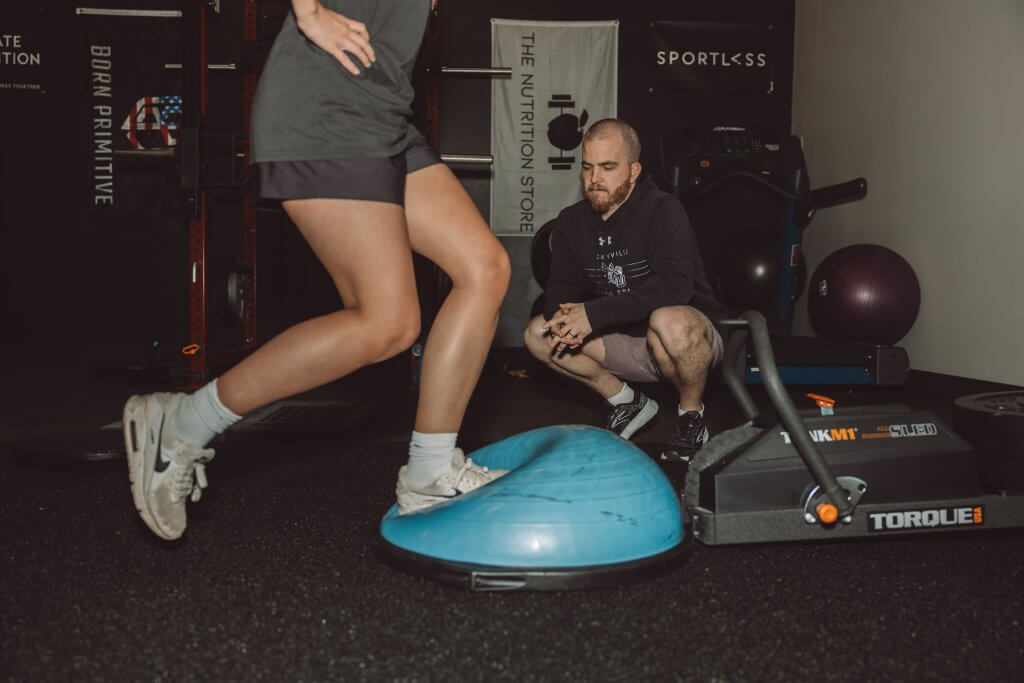
Beyond safety, a well-run strength program delivers meaningful, lasting benefits across every sport and every level.
Injury prevention
Stronger muscles, tendons, and connective tissue absorb impact better and protect vulnerable joints — especially knees and shoulders.
Athletic performance
Speed, power, agility, and endurance all improve with a solid foundation of strength. Every sport benefits from a stronger athlete.
Confidence & body awareness
Learning to control your body under load builds proprioception, coordination, and a sense of physical capability that carries over everywhere.
Lifelong habits
Athletes who build a relationship with training early are far more likely to remain active, healthy adults throughout their lives.
What “safe” actually looks like
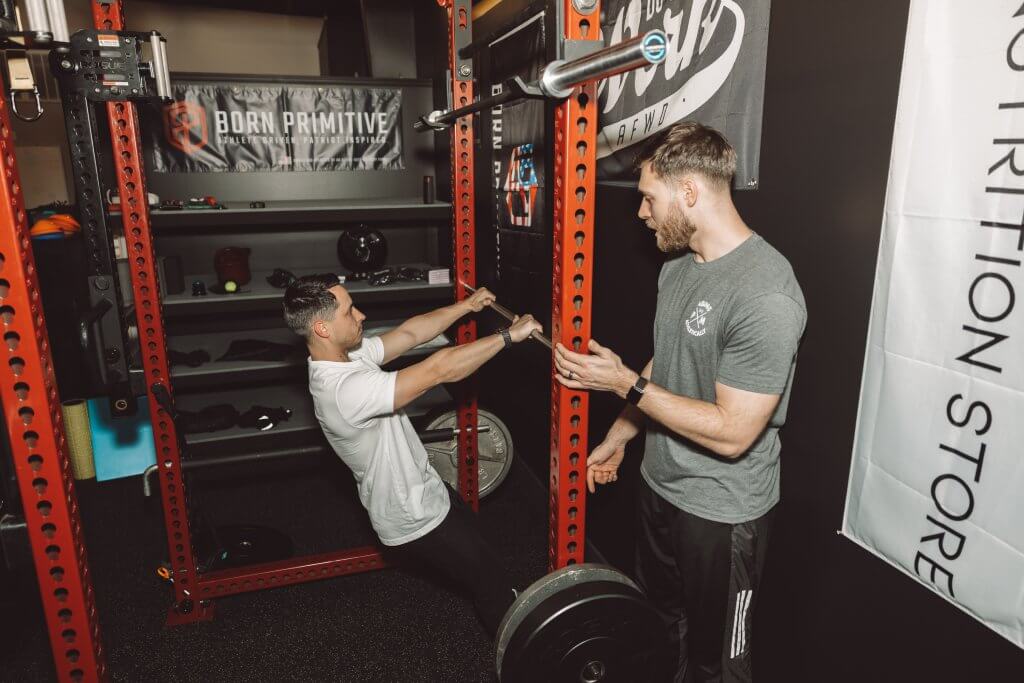
The key word in all the research is properly supervised. There’s a meaningful difference between a kid randomly throwing weight around and a young athlete working through a structured, age-appropriate program with qualified coaching.
✓ Qualified supervision — a coach who understands youth development and periodization, not just adult programming
✓ Form before load — movement quality is always the priority; heavier weight comes later
✓ Age-appropriate progressions — bodyweight mastery first, then gradual loading over time
✓ Adequate recovery built into the program — young athletes adapt quickly, but rest is still essential
Common myths, busted
MYTH: “Lifting will stunt my kid’s growth.”
FALSE. Decades of research show no link between properly supervised strength training and impaired growth. This myth predates the modern science entirely.
MYTH: “They should just play their sport — that’s enough.”
INCOMPLETE. Sport-specific activity develops skill, but not the foundational strength that protects athletes from injury. The two work together, not against each other.
MYTH: “Strength training is only for certain types of athletes.”
FALSE. Swimmers, gymnasts, soccer players, cross country runners — every sport benefits from a stronger, more resilient athlete. Strength is the foundation everything else is built on.
The weight room isn’t a risk to manage — it’s a tool for building athletes who are stronger, more durable, and more confident in their bodies. When it’s done right, it’s one of the most protective things a young athlete can do. The question worth asking isn’t whether your athlete should be strength training. It’s whether the program they’re in is designed with their development in mind.
